







Soft Connection vs Hard Connection of LED display
20
November
Soft Connection vs. Hard Connection: Which is Right for Your LED Display?
With LED displays, one would always want to ensure flawlessness and seamlessness in the visual display. This is because a uniform, stable screen ensures that your content looks its best. Because both soft and hard connection methods are designed to link LED modules together, many installers and project managers wonder which of them is better.
Having dealt with LED displays for years, these two connecting technologies have differentially affected the final results of a project in the light of installing speed and long-term durability.
So, in this article, I’ll help you settle the soft connection vs. hard connection debate once and for all so that you know exactly which to choose for your next LED display.
Ready to get started? Let’s dive in.
In This Article
Introduction to LED Display Connection Technologies
What is Hard Connection of LED Screen?
What is Soft Connection of LED Display?
Making the Right Choice: Soft Connection or Hard Connection?
Conclusion
Introduction to LED Display Connection Technologies
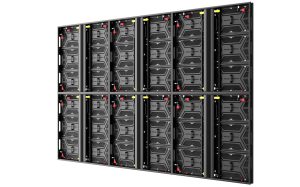
As we all know, any large-scale LED display system is modular in nature, typically consisting of a multitude of smaller panels or modules that are combined to form one continuous visual canvas. Connections within these modules serve two major purposes: providing a stable physical structure and transmitting power and data signals precisely throughout the screen.
It is usually achieved by two dominant approaches: hard connections and soft connections, each having its own engineering philosophy.
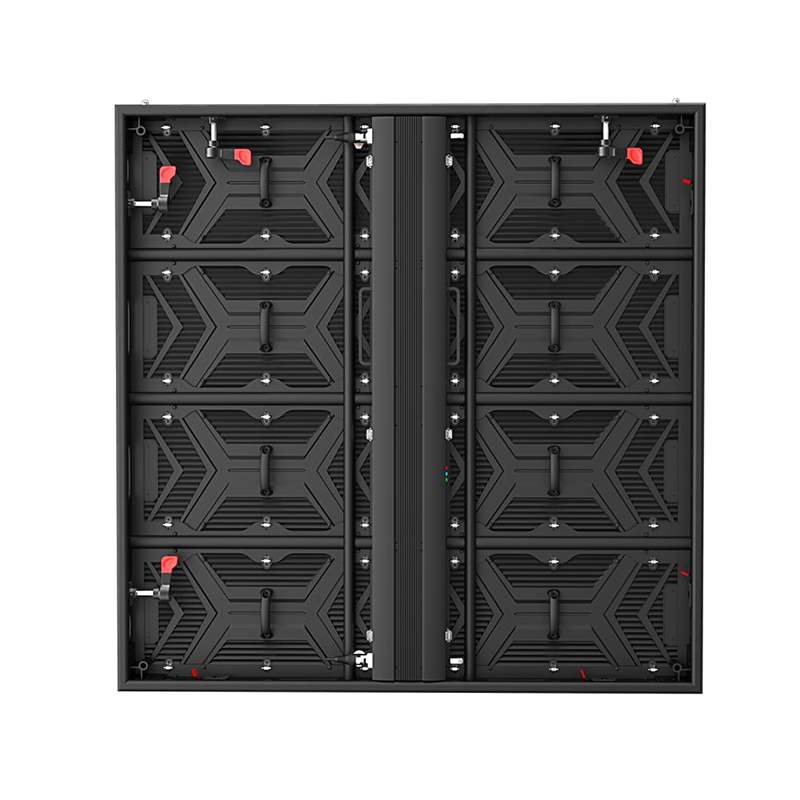
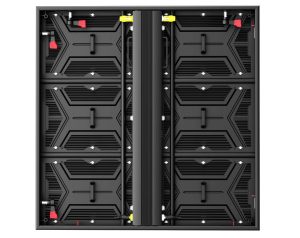
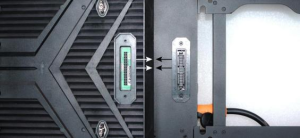
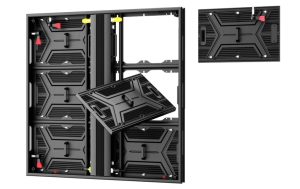
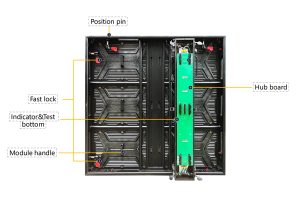
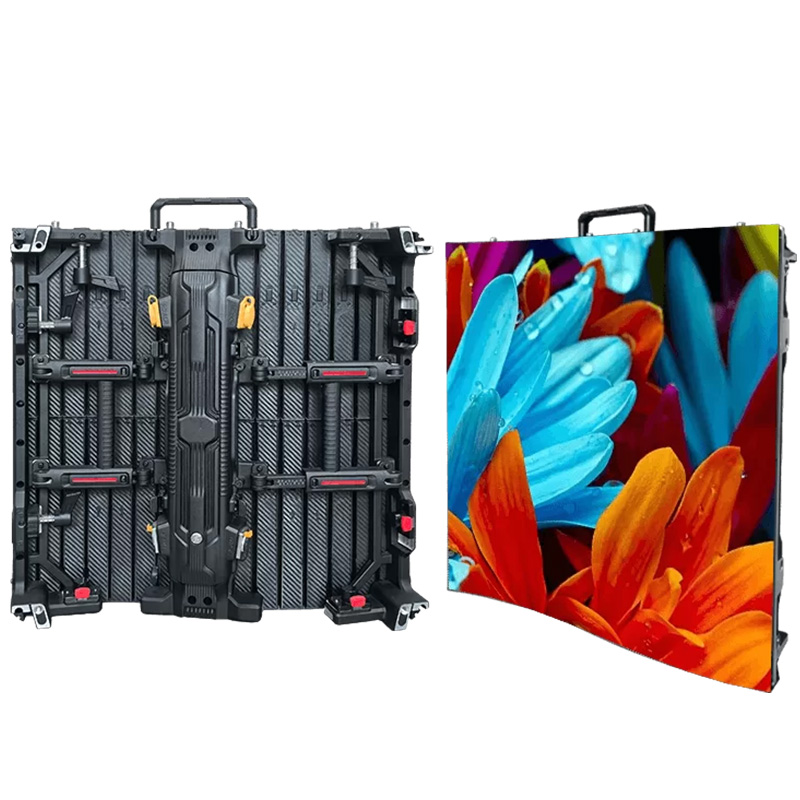
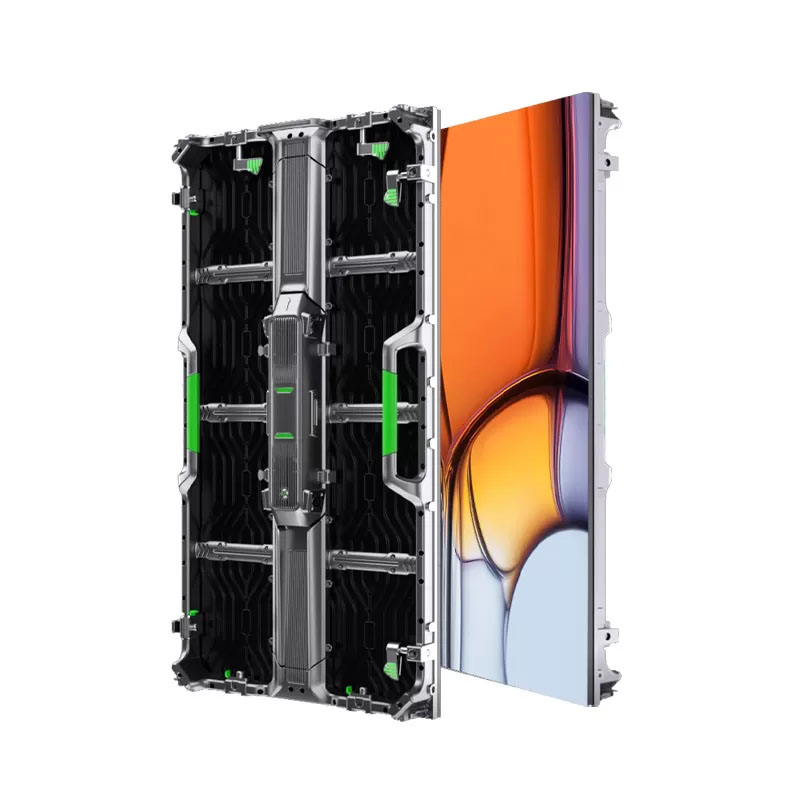
What is Hard Connection of LED Screen? First, let’s talk about the hard connection. The Hard Connection technology, as the name would suggest, depends on rigid and fixed structures mechanically. Hard Connection can be thought of as precision-engineered, where modules are mechanically locked in place by use of metal components, positioning pins, screws, and other firm clasps. This connection method is all about the importance of structural integrity, perfect alignment, and stability. Sometimes we call this connection a wireless connection.
The most common installation of hard-wired display systems incorporates data and power lines into a single, consolidated backplane or hub board, which reduces loose wiring and provides an overall robust, clean installation.
Advantages and Disadvantages
Here’s a table showing the advantages and disadvantages of hard connections for LED displays:
Pros Cons
High Stability\tLimited Flexibility
Hard connections offer a strong and rigid connection between modules, restricting movement and misalignment. Not suitable for applications requiring frequent adjustments or relocations.
Durability Higher Initial Cost
Less prone to damage, therefore reducing maintenance costs in the long run. Generally more expensive upfront than soft connections.
Stable Transmission of Signals\tExtra Cost of Maintenance
Reliably transmits data and power with minimal interference. Consistent maintenance is required; although the cost of LED modules could be much lower, the necessity of additional hub cards can raise the overall cost.
Excellent Heat Dissipation Increased Module Replacement Cost
The rigid structure effectively manages heat to extend the life span of LEDs. The replacement of modules and Hub board individually might be expensive because some components are unique.
Precision Alignment
It achieves high flatness and alignment for the screen displays.
Easy Installation
Plug-and-play design simplifies setup and allows for front service access.
Lightweight
Lighter weight generally allows for easier handling and installation.
Aesthetic Appeal
Clean design with no complex wiring connections makes it more visually appealing.
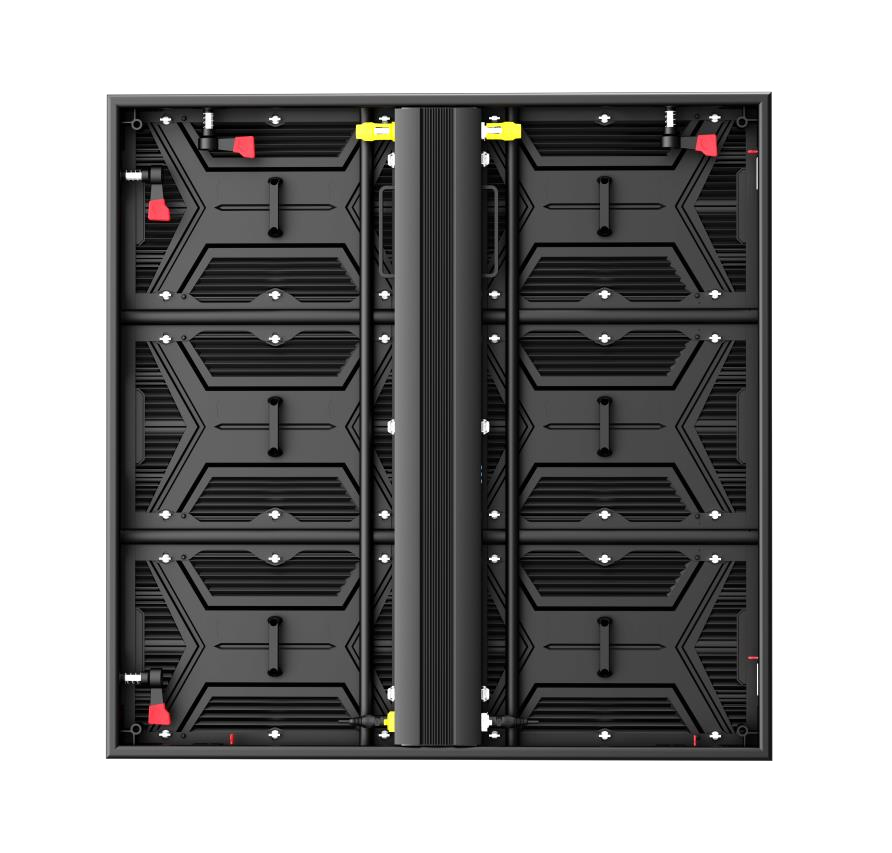
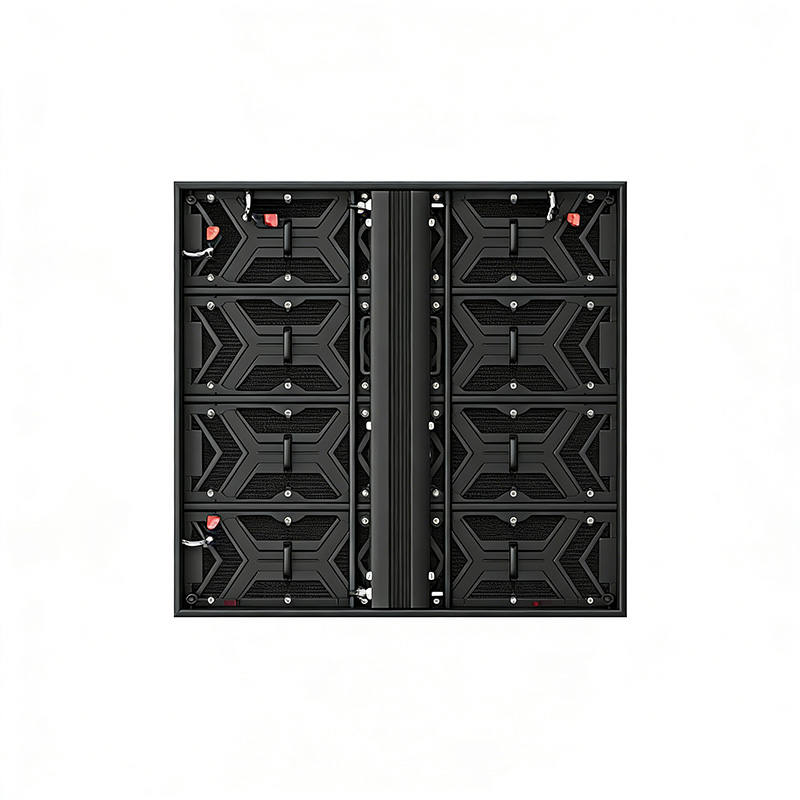
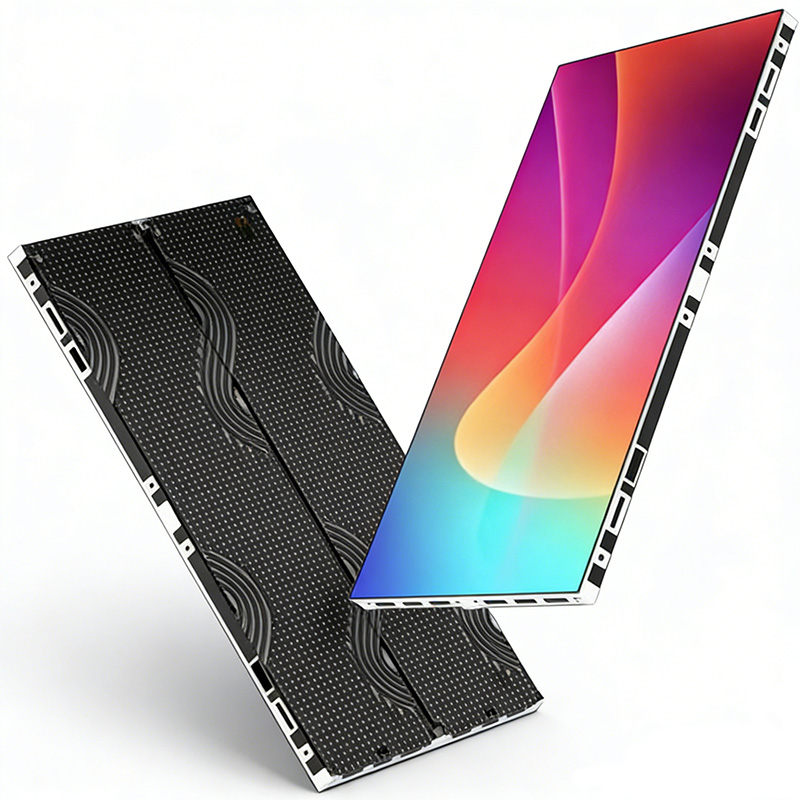
What is Soft Connection of LED Display? Soft Connection technology takes the opposite tack, embracing flexibility: power cables, flat data cables to link modules. Because this method allows for some movement and tolerance between modules, it’s ideal for installations that are not flat or require a more forgiving assembly process.
The soft connection of the LED screen is also called a wired connection.
Advantages and Disadvantages
Pros Cons
Flexibility\tPotential Signal Interference
Ideal for irregular or curved surfaces, allowing for creative designs. May be more susceptible to signal interference that may affect its performance.
Cost-Effective Durability Concerns
Lower up-front cost usually than with hard connections. More susceptible to damage over time, thereby bringing higher maintenance
Lightweight Design\tComplex Installation
Lighter weight can ease handling and installation. Installation can require complex cable connections between modules and receiver cards.
Modular Upgrades Aesthetic Issues
Easier to replace or upgrade individual modules without major disruption. It can appear messy with tangled wires, leading to a less tidy look.
Making the Right Choice: Soft Connection or Hard Connection?
Now we have understood all the pros and cons. You perhaps wonder: Soft Connection or Hard Connection? Which should I choose?
Generally speaking, choosing a hard or soft connected display always requires matching the task’s needs in striking a balance among aspects such as visual quality of display, installation environment, usage duration, and budget.
Below are key factors to consider when deciding between soft and hard connections for LED displays:
Installation Complexity
HardConnections: Generally easier to install, requiring fewer tools and less technical expertise. Ideal for quick setups.
Soft Connections: An installation process that is more complex, perhaps requiring special tools and skills. This can result in longer setup times.
Application Scenarios:
Soft Joints: Appropriate for irregular or curved surfaces where some flexibility is required. They allow for imaginative designs and easier adjustments.
Hard Connections: More applicable to stable environments, control rooms, conference rooms where durability and stability are highly essential, such as permanent installations in commercial establishments.
Visual Quality:
Soft Connections: May provide lesser accuracy in regard to alignment and hence may affect the overall appearance. However, they can adapt to various design requirements.
Hard Connections: These offer superior flatness and alignment, thus giving higher visual quality, especially for high-resolution displays.
Budget:
Soft Connections: Costly at the start, these come with higher initial costs.
Hard Connections: Higher upfront costs, but these could lead to lower maintenance expenses over time since they are strong and steady.
Conclusion In this post, the basic concepts and key considerations for choosing between soft and hard connections for LED displays have been discussed. Not sure which option is best for your project? Please take a moment to research what best suits your particular needs and priorities. Please do not hesitate to contact us for further assistance or inquiries regarding your project. We are here to guide you through making the right choice for your LED display!